
Practical Insights for Industrial Components and Solar Trackers
Introduction
As global carbon regulations accelerate, European importers are placing new and increasingly strict requirements on their suppliers, especially those sourcing from China.
For buyers of Industrial components and solar tracker parts, the question is no longer just about price, quality, or delivery.
Can your supplier provide reliable and verifiable carbon data for CBAM compliance?
From the Exhibition-IE Expo China 2026 Shanghai
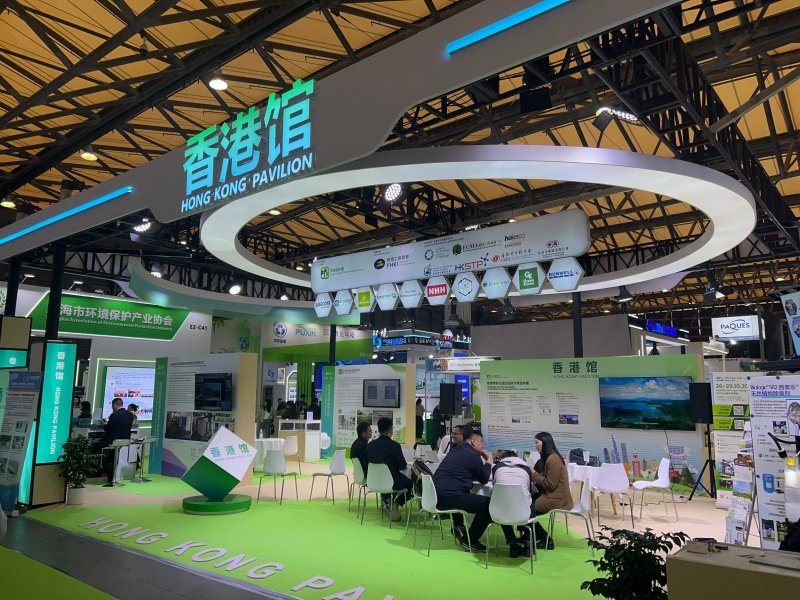
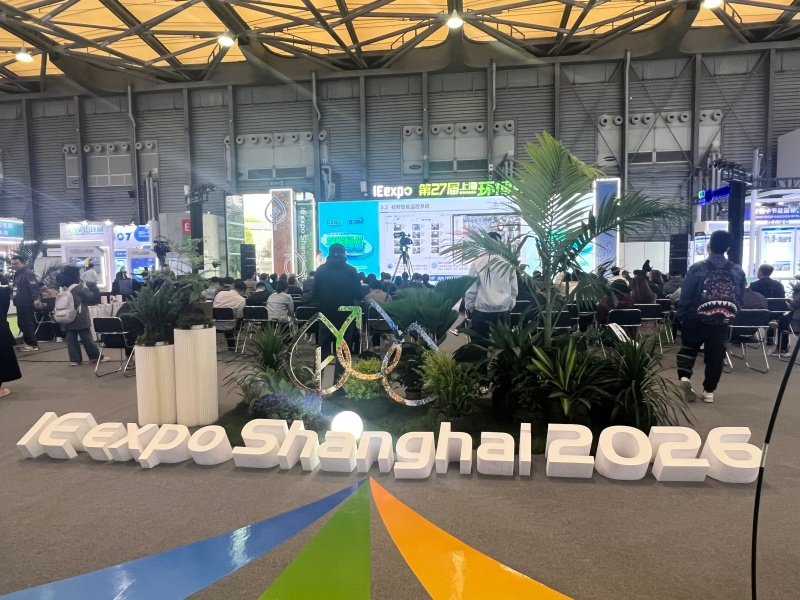
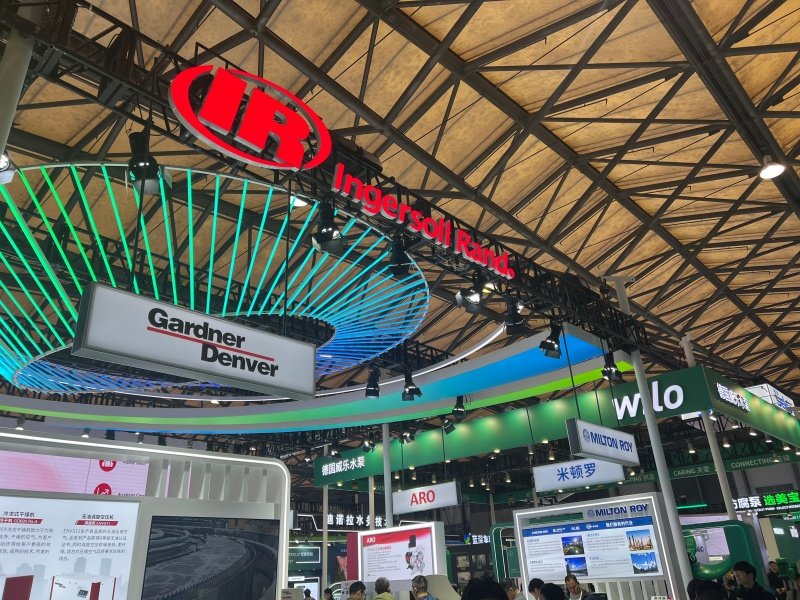
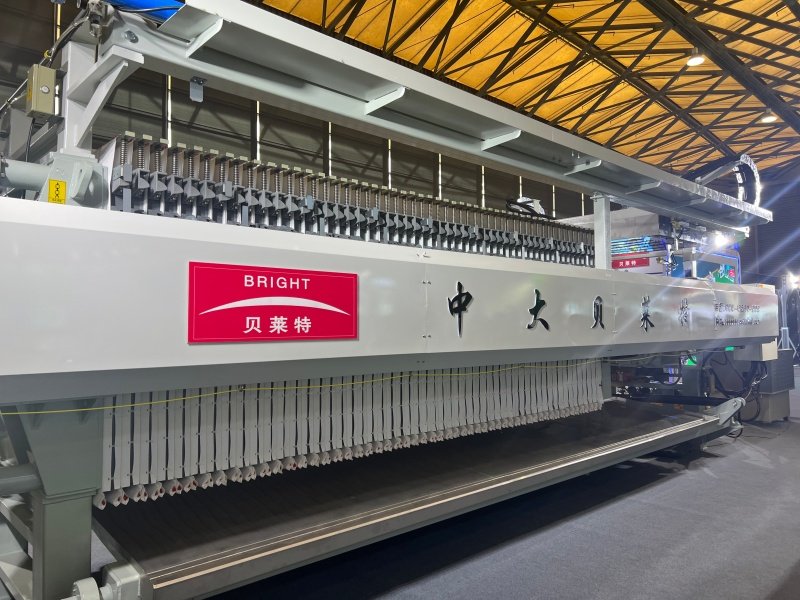
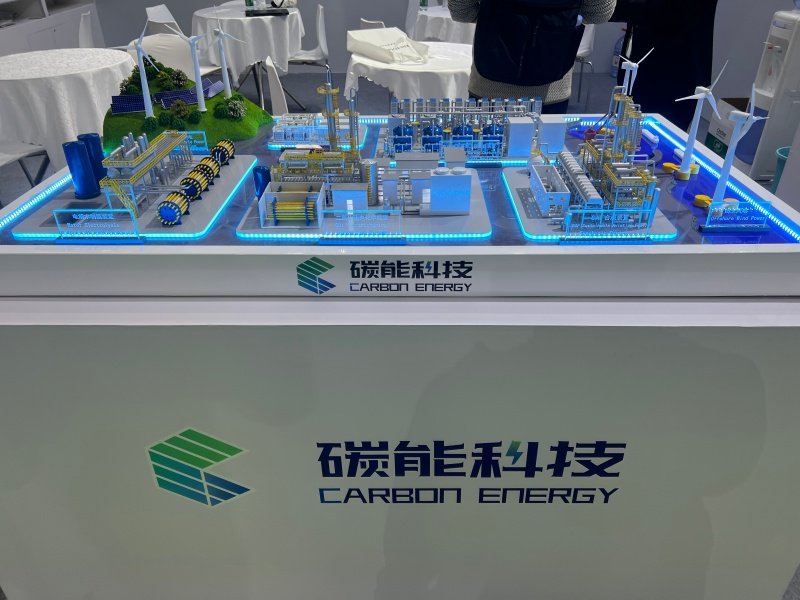
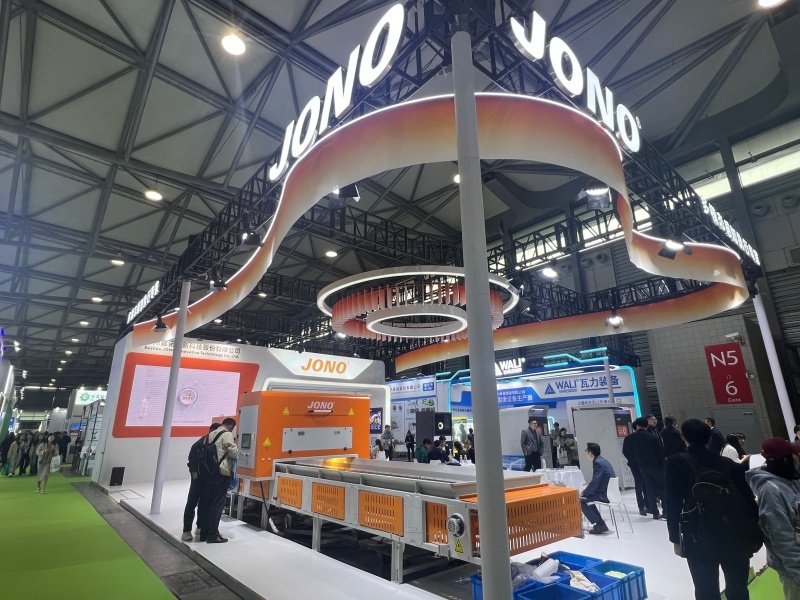
During our visit to IE Expo China 2026, we observed a strong focus on carbon compliance, data transparency, and supply chain traceability across different industries.
One message became clear:
Carbon compliance is no longer a future topic—it is already a current requirement.
CBAM Timeline: Why Action Is Needed Now
CBAM (Carbon Border Adjustment Mechanism) is entering its enforcement phase.
- From January 1, 2026: CBAM reporting becomes mandatory
- In 2027: Importers must submit their first annual CBAM report
This means suppliers must begin preparing data now, not later.
Carbon compliance is no longer optional—it is time-sensitive.
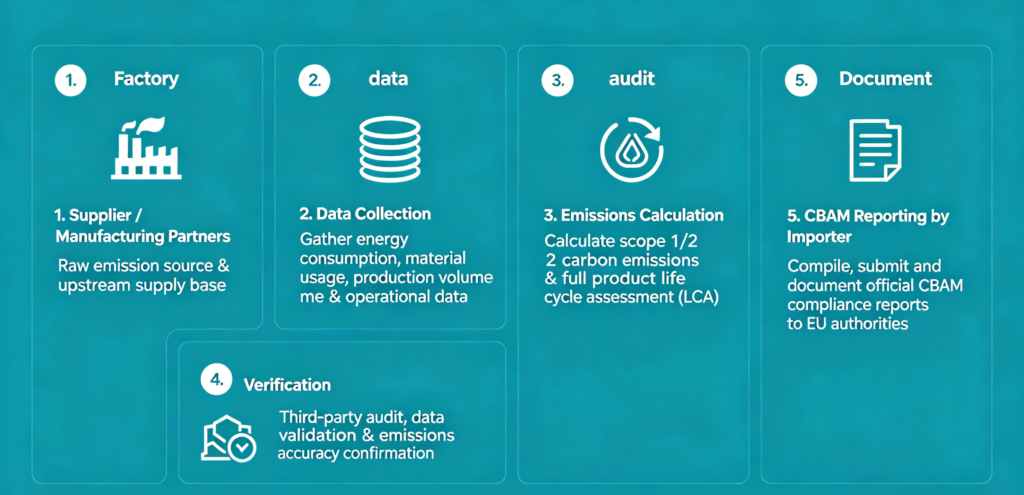
What Does CBAM Require?
CBAM is often described as a “carbon tax,” but in reality, it is a structured system based on MRV (Monitoring, Reporting, Verification).
For suppliers, this involves:
- Monitoring: Continuous collection of energy and production data
- Reporting: Calculating embedded emissions using defined methodologies
- Verification: Third-party validation of submitted data
This means carbon data must be:
- Consistent
- Traceable
- Auditable
CBAM is not a one-time task—it requires ongoing data management throughout the year.
What Data Do Buyers Expect from Suppliers?
From our discussions with customers and industry partners, CBAM-related requests typically include:

1. Product Carbon Footprint (CFP)
- Total emissions across the product lifecycle
- Especially relevant for steel-based components
2. Energy and Production Data
- Electricity consumption
- Fuel usage
- Production output
3. Upstream Material Information (Precursor Data)
- Emissions data from raw material suppliers (e.g., steel mills)
- Supporting documents for audit purposes
A Critical Issue: Precursor Data and Default Values
One of the biggest challenges in CBAM compliance is upstream data availability.
For products such as industrial parts and solar tracker components, buyers may require:
- Embedded emissions data from material suppliers
- Verifiable documentation supporting those figures
If such data is not available, the EU may apply default values.
These default values are typically significantly higher than actual emissions, leading to much higher carbon costs.
In other words:
No data does not mean no obligation—it often means higher cost.
The Real Challenge: Supply Chain Data Coordination
For many suppliers working with multiple manufacturing partners, the challenge is not production—it is coordination.
In practice, this means managing:
- Multiple factories
- Different data collection systems
- Various customer requirements

Common difficulties include:
- Inconsistent data formats across factories
- Limited transparency from upstream suppliers
- Lack of standardized data collection processes
CBAM is not just a calculation issue—it is a supply chain coordination challenge.
Key Concepts Explained (Quick Guide)
What is CBAM?
A European regulation requiring importers to report and pay for the carbon emissions embedded in certain products.
What is Product Carbon Footprint (CFP)?
The total greenhouse gas emissions associated with a product throughout its lifecycle.
What is LCA (Life Cycle Assessment)?
A methodology used to calculate environmental impact from raw materials to end-of-life.
What is EPD (Environmental Product Declaration)?
A standardized document based on LCA results, used for transparent environmental communication.
What is ESG?
A framework evaluating Environmental, Social, and Governance performance.
For buyers: These factors are increasingly becoming part of supplier selection.
How We Support Our Customers
Working closely with multiple manufacturing partners, we focus on helping customers navigate carbon-related requirements more efficiently.
1. Understanding Customer Requirements
Carefully reviewing CBAM-related templates, reporting formats, and expectations.
2. Coordinating with Manufacturing Partners
Supporting data collection across factories, including:
- Energy usage
- Production data
- Material information
3. Facilitating Communication
Helping align expectations between:
- Buyers
- Factories
- Third-party verification or consulting organizations
While certification is handled by specialized bodies, effective coordination ensures the process is smoother and more reliable.
Current Scope of CBAM: What Is Covered (and What Is Not)
At its current stage, CBAM primarily targets carbon-intensive industries such as:
- Iron and steel
- Aluminium
- Cement
- Fertilizers
- Electricity
- Hydrogen
For suppliers of Industrial components and solar tracker parts, this means that products involving steel and aluminium are already directly impacted.
At the same time, materials such as plastics are not yet included in the official CBAM scope.
However, it is widely expected that CBAM may expand in the future to cover additional sectors, especially those with high carbon intensity.
Why This Matters for Your Business
Choosing the right supplier today means more than evaluating manufacturing capability.
It also involves:
- Data transparency
- Responsiveness to compliance requirements
- Long-term supply chain reliability
A supplier who understands CBAM can help you:
- Reduce compliance risks
- Avoid high default carbon costs
- Improve supply chain stability
Looking for a Supplier Who Understands CBAM?
If you are sourcing:
- CNC-machined parts
- Iron-cast parts
- Custom metal-fabricated parts
- Die-cast parts
- Solar tracker & Bearings
And need support with:
- CBAM data preparation
- Carbon footprint information
- Supplier coordination
We are ready to support you.
Get in Touch
If you would like to discuss your project or CBAM requirements:
Contact us today to explore practical solutions or send us your RFQ with carbon-related requirements